DeSort
Basics for the automatic detection and the sensor-based sorting of plastics in biogenic materials
Project description
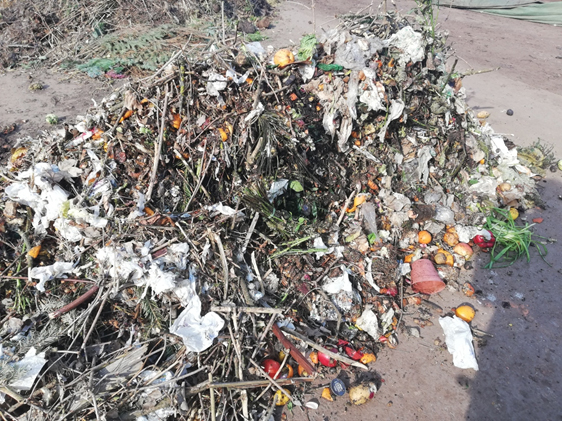
Impurities in biogenic waste have been a part of the waste management since the start of the separate collection. This impurity content varies depending on the settlement structure, the collection and the pre-inspection. The main fraction of all contaminants in biogenic waste are plastic parts (with up to 60% of the impurity content), followed by metals, textiles, glass and ceramics.
Above an impurity content of 3%, it can be assumed that negative effects on the quality of the products resulting from subsequent fermentation or composting can no longer be avoided.
Plastics should therefore be removed from the waste before treatment.
However, they are subjected to aging processes in the environment, which lead to a change in their surface reflection. UV radiation, temperature effects and oxidative processes change the colour, surface roughness and adhesion of particles, dusts or moisture.
The project "DeSort" (full title: Basics for the automatic detection and the sensor-based sorting of plastics in biogenic materials) investigates an automatic detection of incorrectly sorted plastic waste in biogenic waste or a sensor-based sorting of compost plastics. In order to be able to operate such a technology, the properties of aged plastics and the corresponding sensor technology must be known, e.g. in terms of reflection of VIS (visual spectral range), NIR (near-infrared spectral range) and X-ray radiation.
The new findings relate to two areas of mobile machine technology, the automatic detection of plastic waste in biogenic waste at the collection vehicle and the sensor-assisted sorting of contaminants from compost.