CHRISTIAN DOPPLER LABORATORY
for Impact of recycled materials on the mechanical lifetime estimation of polymers
This CD Laboratory researches the interactions between the design of plastic pipes, their loading conditions and the materials used. On this basis, methods for estimating the service life of such pipe systems are developed in order to contribute to their reliable
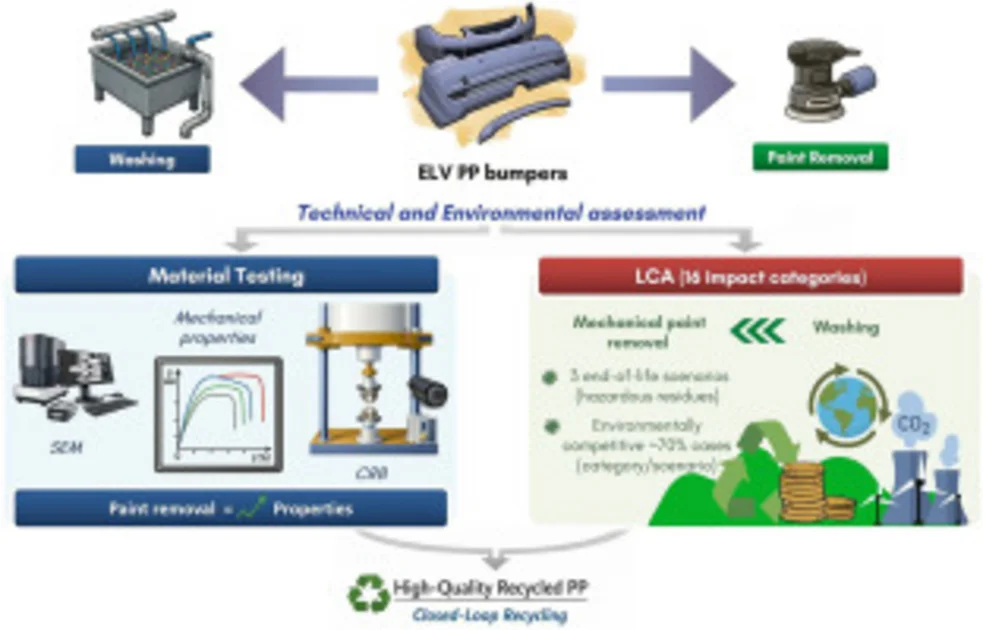
New publication showcases LATEP–ImReMat–URJC collaboration
We’re pleased to share a new article arising from the collaboration between LATEP, the Christian Doppler Laboratory ImReMat (Montanuniversität Leoben), and Rey Juan Carlos University (Spain).
The work advances understanding of polymer materials and their long‑term performance, with a focus on the impact of recycled materials, component design, and service conditions—key to reliable lifetime estimation of polymer products.
Congratulations to all contributors on this successful international effort.
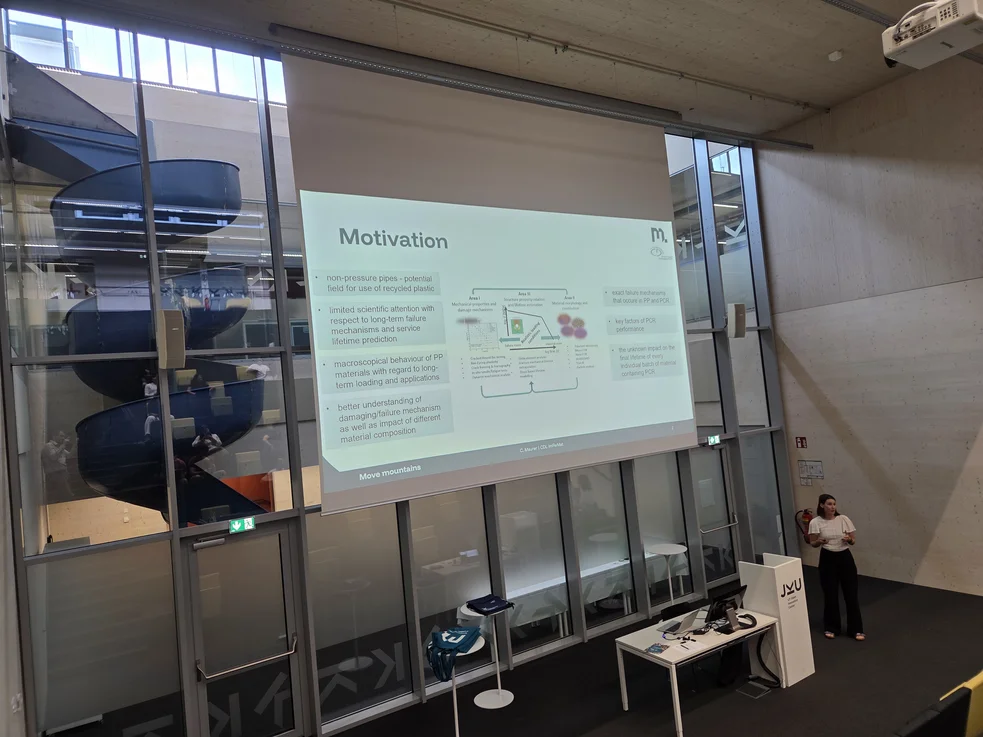
„RePlastify the Future: Reinventing Plastics for Tomorrow“ Summer School
The RePlastify the Future: Reinventing Plastics for Tomorrow Summer School, held from 6–10 July 2026 at Johannes Kepler University Linz and Montanuniversität Leoben, brought together Master's and PhD students to explore sustainable polymer engineering, circular design, and innovative recycling technologies through lectures, workshops, and networking activities. The event was organized by Florian Arbeiter, Head of the CD Laboratory ImReMat. During the Summer School, Carina Maurer and Daniel Zach presented their doctoral research, showcasing their latest scientific contributions in the field of sustainable plastics and polymer engineering.
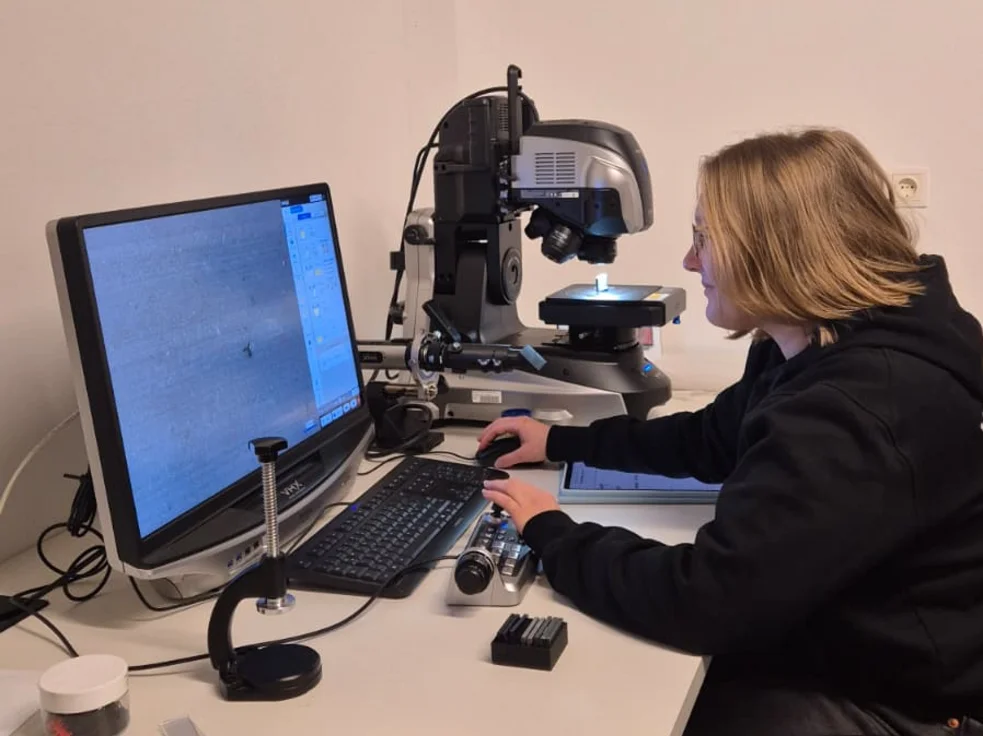
As part of her bachelor’s thesis, Corinna Schadler is analyzing impurities in various post-consumer recyclates. First, a light-microscopic examination of samples from compressed sheets is carried out to identify the materials present and document their characteristics. Subsequently, the most conspicuous defects or impurities are examined in greater detail using IR microscopy and Raman spectroscopy to characterize their chemical structure. The aim of the thesis is to conduct a statistical analysis of various recyclates and to identify the most frequently occurring foreign substances in polypropylene PCR.
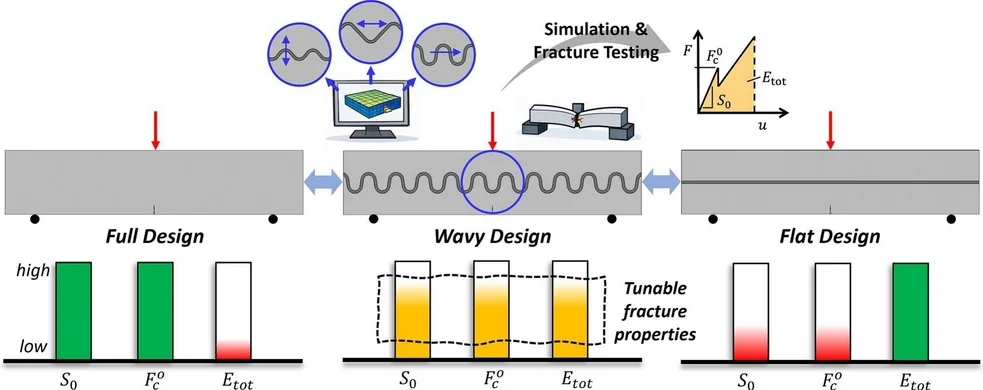
A new joint publication by the Christian Doppler Laboratory ImReMat at Montanuniversität Leoben, in collaboration with Politecnico di Milano and the University of Liège, has been released.
Christoph Waly, Martin Pletz, Tim Volders, Marco Contino, Federico Passoni, Davide Ruffoni, Luca Andena, Florian Arbeiter, From Earth’s Crust to Composite Design: A Numerical and Experimental Study of Lithosphere-Inspired Polymeric Multi-Layer Composites, Materials & Design, 2026, 115887, ISSN 0264-1275, https://doi.org/10.1016/j.matdes.2026.115887
Compliant flat interlayers (IL) embedded into a cracked stiff matrix improve damage tolerance in polymeric systems, but typically at the cost of reduced stiffness and lower crack-initiation forces. To mitigate these limitations, a design approach originating from the Earth’s lithosphere was adopted. In particular, a symmetric wavy compliant IL was embedded into a stiff matrix, and a numerical model was established in ABAQUS to identify promising geometries via a systematic variation of wave height, wavelength, and the relative position of the wave to the initial crack. Numerical results demonstrate that stiffness, crack-initiation force, and total energy dissipation strongly vary with IL geometry. Compared to the flat IL, wavy ILs continuously enhance stiffness and crack-initiation force, albeit with reduced energy absorption. The crack position relative to the wavy IL shows only minor influence on the global fracture response. Based on the numerical results, seven variants were selected and fabricated using PolyJet technology and experimentally examined. The experimental results confirm the numerical predictions, demonstrating good agreement in the initial force–displacement regime, which validates the numerical model as an efficient tool for preliminary design screening. Beyond crack initiation, linear-elastic assumptions lead to deviations, limiting the models applicability to the early fracture stage.
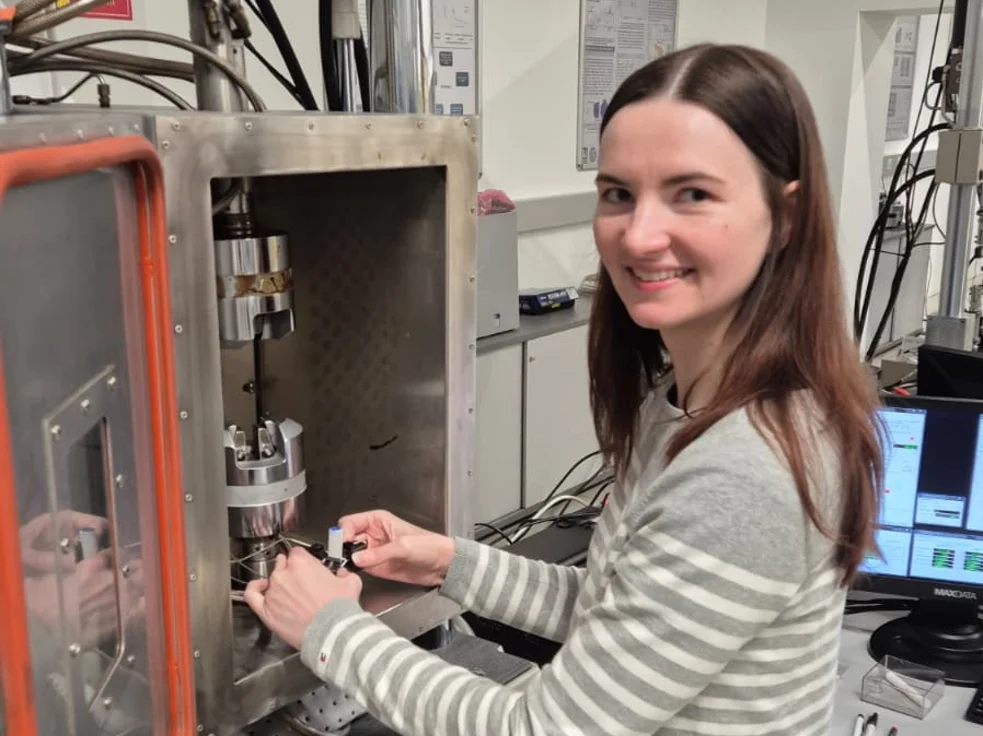
Experimental Simulation of PCR Effects on PP Pipe Materials
For her master's thesis, Eva Wagner is investigating the influence of the composition of a modeled recyclate on the mechanical properties and long-term behavior of polypropylene pipe extrusion grades. A particular focus is on the effects of high- and low-molecular-weight fractions as well as different defect types. Various methods are used for material characterization, including tensile tests, Charpy impact tests, DSC analyses, rheological measurements and fracture mechanics investigations using Cracked Round Bar (CRB) tests and scanning electron microscopy.

From concept to practice: A successful master’s thesis on PCR in PP pipe materials
On March 13th, Gerhard Bäck successfully defended his Master’s Thesis “Effects of adding 30% post-consumer recycled material on the thermal, rheological, and mechanical properties of polypropylene pipe materials ”, and completed his Master Program Recycling. The whole CD-Lab team wants to congratulate him and we wish him all the best in his future career!
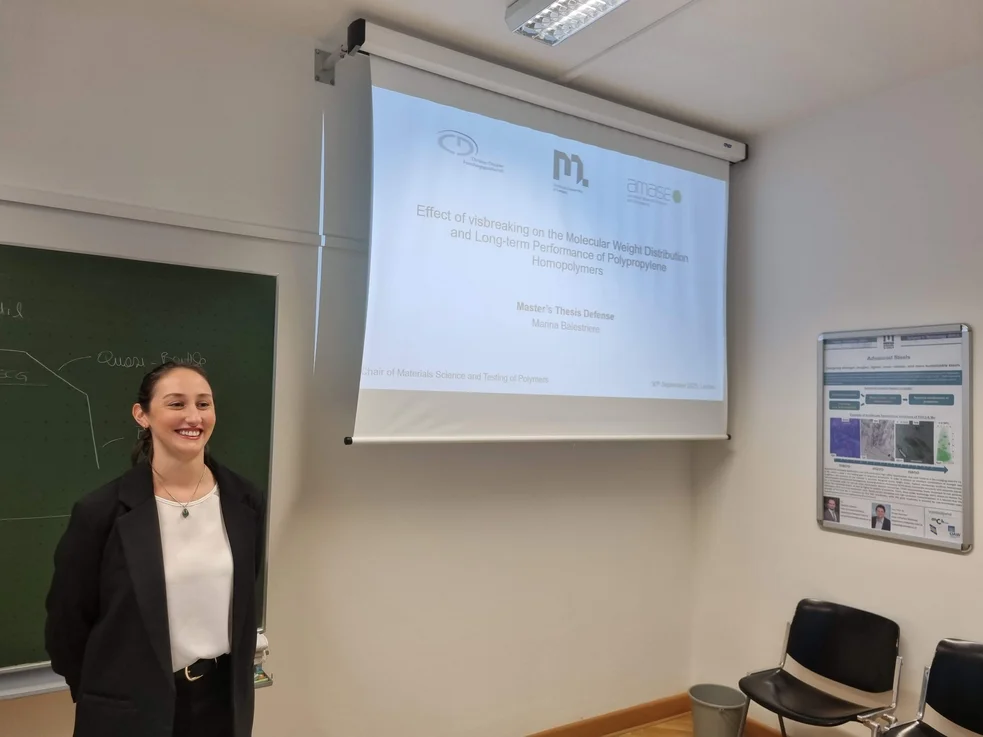
Mastered with Distinction – Congrats, Marina!
Marina Balestriere successfully defended her Master’s Thesis “Effect of visbreaking on the Molecular Weight Distribution and Long-term Performance of Polypropylene Homopolymers”, and completed her Master Program AMASE with distinction. The whole CD-Lab team wants to congratulate her and we wish her all the best in her future career!
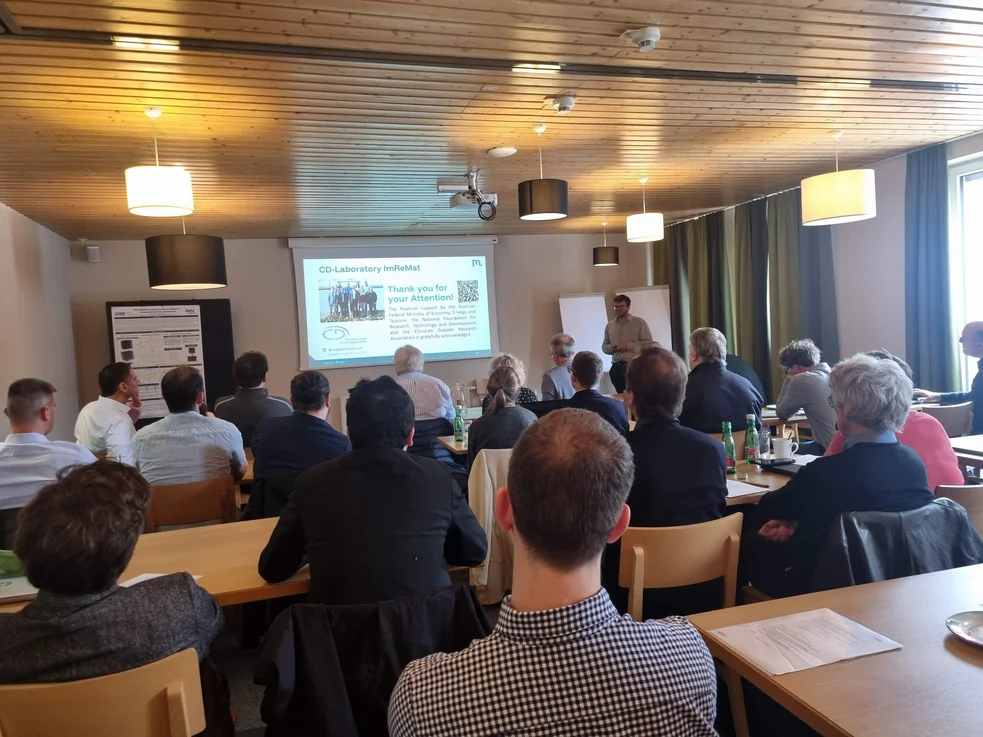
Insights into Fracture Mechanics – Daniel Zach am ESIS Austria Meeting
2025/10/18
From October 16 to 17, the ESIS Austria Meeting on “Long Term Structural Integrity” took place in Schladming. Daniel Zach presented his progress on fracture mechanics-based lifetime prediction, that accounts for stress relaxation. The presentation was followed by lively discussions with representatives from TU Wien, TU Graz, BOKU (including the CD laboratory of DI Dr. Bernd Schönbauer), the University of Innsbruck, JKU Linz, and many more.
New Publication Alert!
2025/09/15
A new joint publication by Polymer Competence Center Leoben GmbH and the Christian Doppler Laboratory ImReMat at the Montanuniversität Leoben has been released:
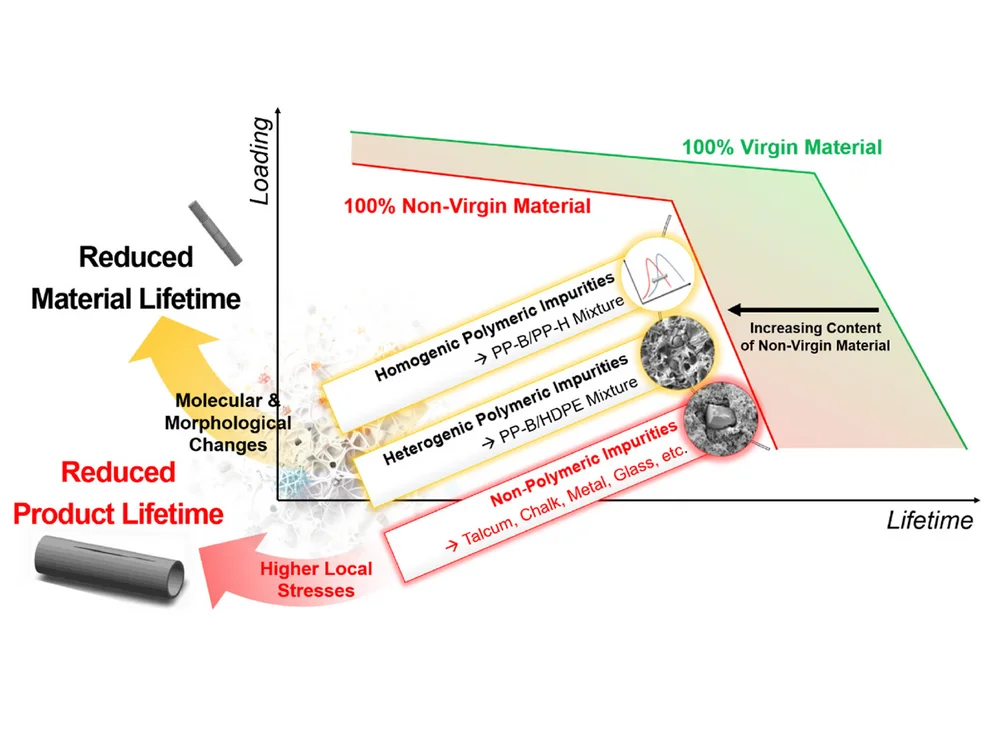
Mario Messiha, Jutta Geier, Chiara Barretta, Márton Bredács, Gernot Oreski, Thomas Kratochvilla, Przemyslaw Hruszka, Florian Arbeiter, Gerald Pinter, How impurities affect the lifetime of plastic products - A circularity case study on polymer pipes, Polymer Testing, 2025, 108952, https://doi.org/10.1016/j.polymertesting.2025.108952
Structure-modified polypropylene: mechanics and thermomechanics
2025/07/24
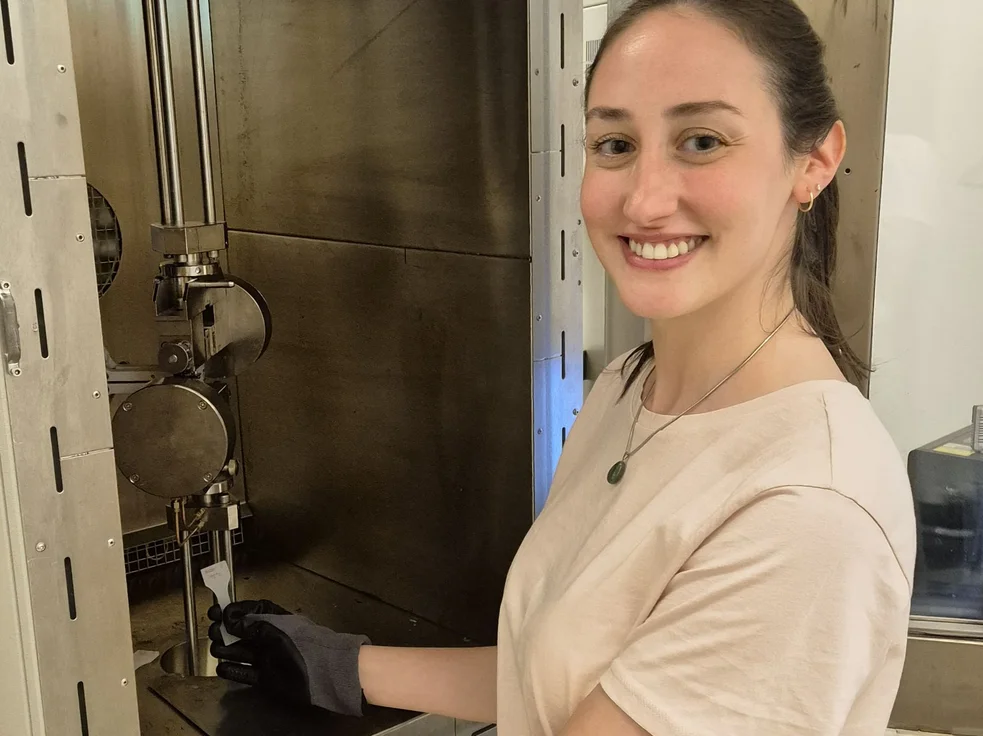
In her master’s thesis, the last step in her Master Program “Advanced Materials Science and Engineering” (https://www.eusmat.net/international-studies/master/amase/) in Leoben, Marina Balestriere investigated a range of polypropylene grades with different molecular constitutions. The different materials were created by targeted cracking of the polymer chains to achieve defined molecular weight distributions. The aim of the thesis was to evaluate the influence of these structural modifications on the mechanical and thermomechanical behavior of the materials. The focus here was on comparing the PP-H base materials with the modified ones. Several methods were used to characterize the materials, including dynamic mechanical analysis (DMA), crack round bar (CRB) for fracture mechanics, evaluation according to the “Ree-Eyring” model and microscopic examination of the crystalline morphology.
Modified PP-H: Comparison of structure and function
2025/06/02
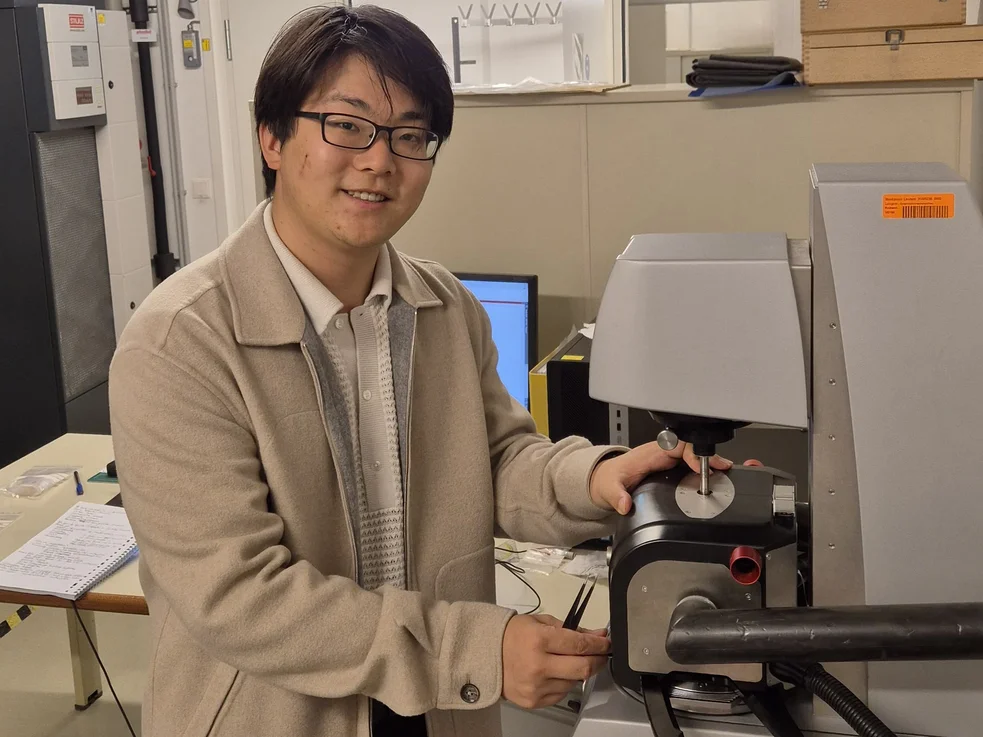
As part of his bachelor's thesis, Zeye Zhu dealt with the basic characterization of various homo polypropylene materials (PP-H) with a specifically produced internal structure. The materials are specifically modified polymers in which the polymer chain is broken in a controlled manner in order to obtain different molecular weight distributions and better flow properties (e.g. MFR). The work focused on comparing the base PPs with the modified types to gain a better understanding of the structure-property relationships. For this purpose, mechanical properties, by means of tensile tests and impact tests, as well as thermal and rheological properties, by means of a DSC and a plate-plate rheometer, were analyzed.
New Publication alert!
2025/05/25
A new joint publication between Polymer Competence Center Leoben GmbH and the Christian Doppler Laboratory ImReMat from Montaninversität Leoben is out. Check the abstract and link below.
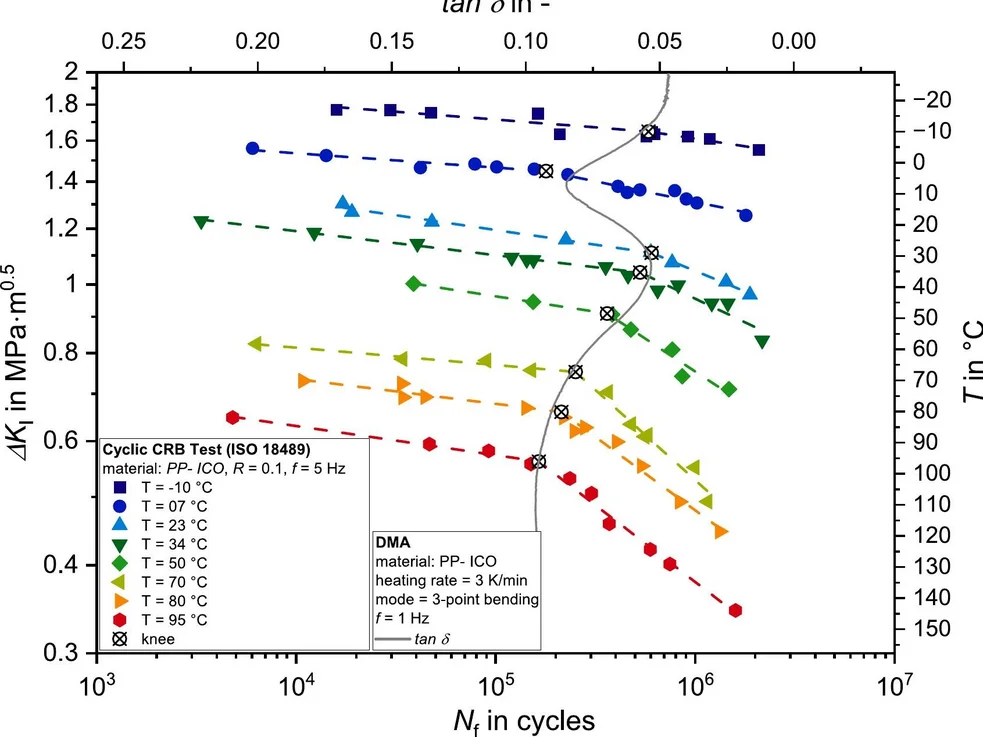
Jessica Hinczica, Mario Messiha, Jutta Geier, Carina Maurer, Gerald Pinter, Florian Arbeiter, Correlation of temperature-dependent fracture behavior and thermo-mechanical behavior of a polypropylene pipe grade material under cyclic load, Engineering Fracture Mechanics, 2025, 111182, ISSN 0013-7944, https://doi.org/10.1016/j.engfracmech.2025.111182
Cold Plasma for Better Polymer Blends
07.05.2025
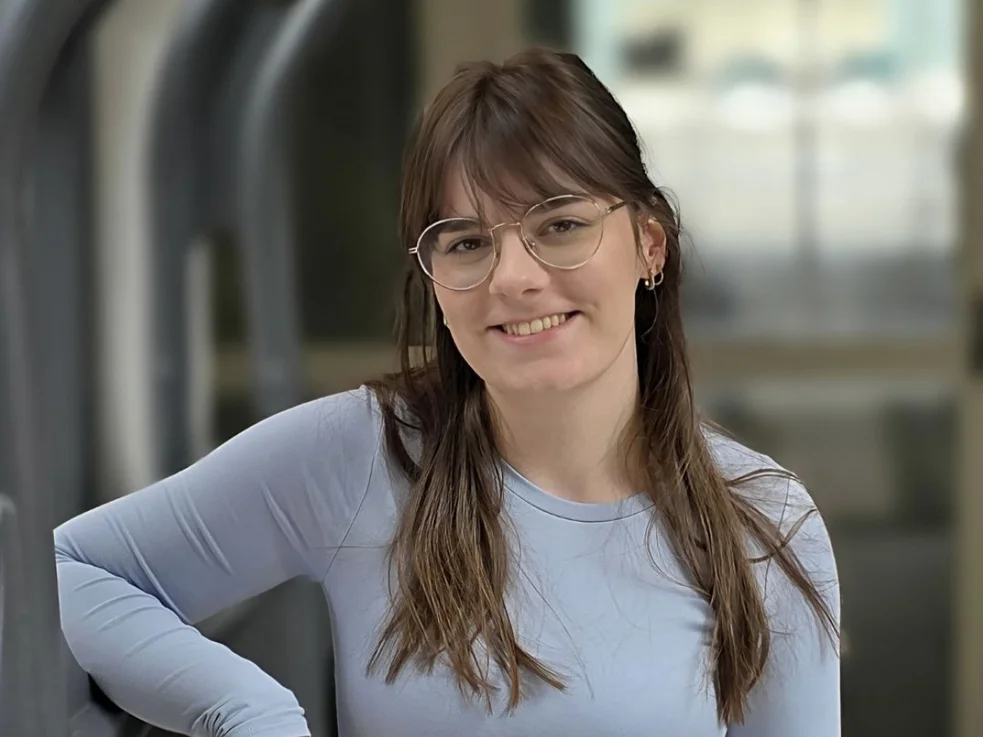
For her Master’s thesis, Jelke Pauwels explored the effects of cold plasma treatment on the miscibility of polypropylene/high – density polyethylene blends. She conducted a series of analyses, including tensile testing, Charpy impact testing, DSC analysis, fatigue testing, and Scanning Electron Microscopy to compare the properties of neat, processed, and plasma-treated virgin materials, as well as blended samples. The aim was to improve the miscibility and compatibility between HDPE and PP within a blend primarily consisting of PP.
The Materials of her work were provided by Prof. Johan Verbeek and Dr. Jesna Ashraf from the Centre For Advanced Materials Manufacturing & Design from the University of Auckland – New Zealand.
Research into changes in the properties of polypropylene
30.01.2025
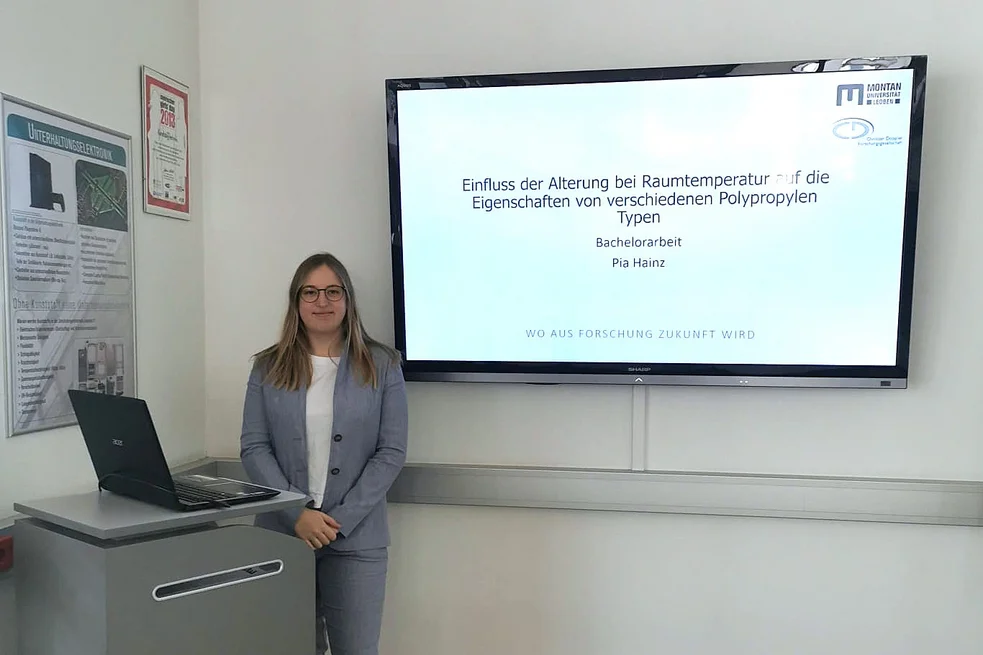
As part of the CD Laboratory, Pia Hainz worked on her bachelor's thesis, which focused on the effects of room temperature storage on material properties of polypropylene.
She examined different types of polypropylene and conducted various measurements over a set period of time.
The goal was to determine when the material properties no longer changed significantly and to investigate whether these properties continue to change with prolonged storage or remain largely constant
Opening of the CD Laboratory “ImReMat”
23.10.2024
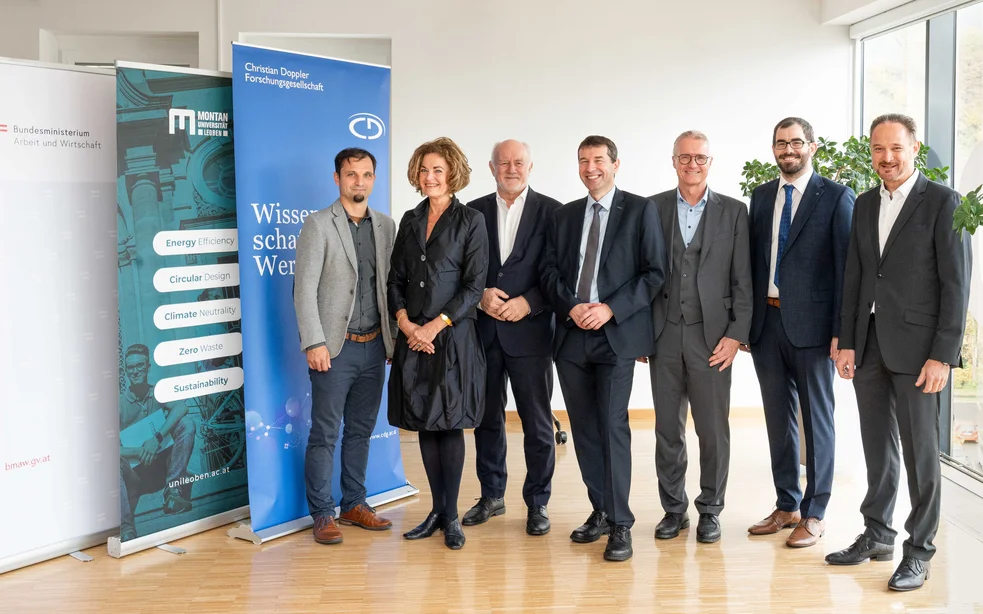
On Wednesday, October 23, the CD laboratory for the influence of recycled materials on the mechanical durability of plastics, “ImReMat” for short, was opened at the Montanuniversität Leoben. The new CD laboratory is headed by Dr. Florian Arbeiter from the Institute of Materials Science and Testing of Polymers.