Within the Van Allen belts, Earth's magnetic field largely shields against charged particles. Outside this protective zone — for instance on journeys to the Moon or Mars — solar energetic particles, sporadic solar storms and a constant flux of cosmic radiation strike spacecraft unimpeded. For metals, this means the progressive formation of atomic defects, which weaken conventional hardening mechanisms. Conventional aluminium alloys already lose significant mechanical performance from around 0.2 dpa onwards. The unit dpa ("displacements per atom") indicates how often, on average, each atom of a material has been knocked out of its lattice site by radiation — 0.2 dpa therefore corresponds, on average, to every fifth atom.
A new crossover alloy
The family of aluminium crossover alloys, invented in Leoben in 2022, combines the strengths of the two most important industrial aluminium alloy families in a single material. Two key design decisions account for its exceptional radiation resistance, with problems setting in only above 75 dpa.
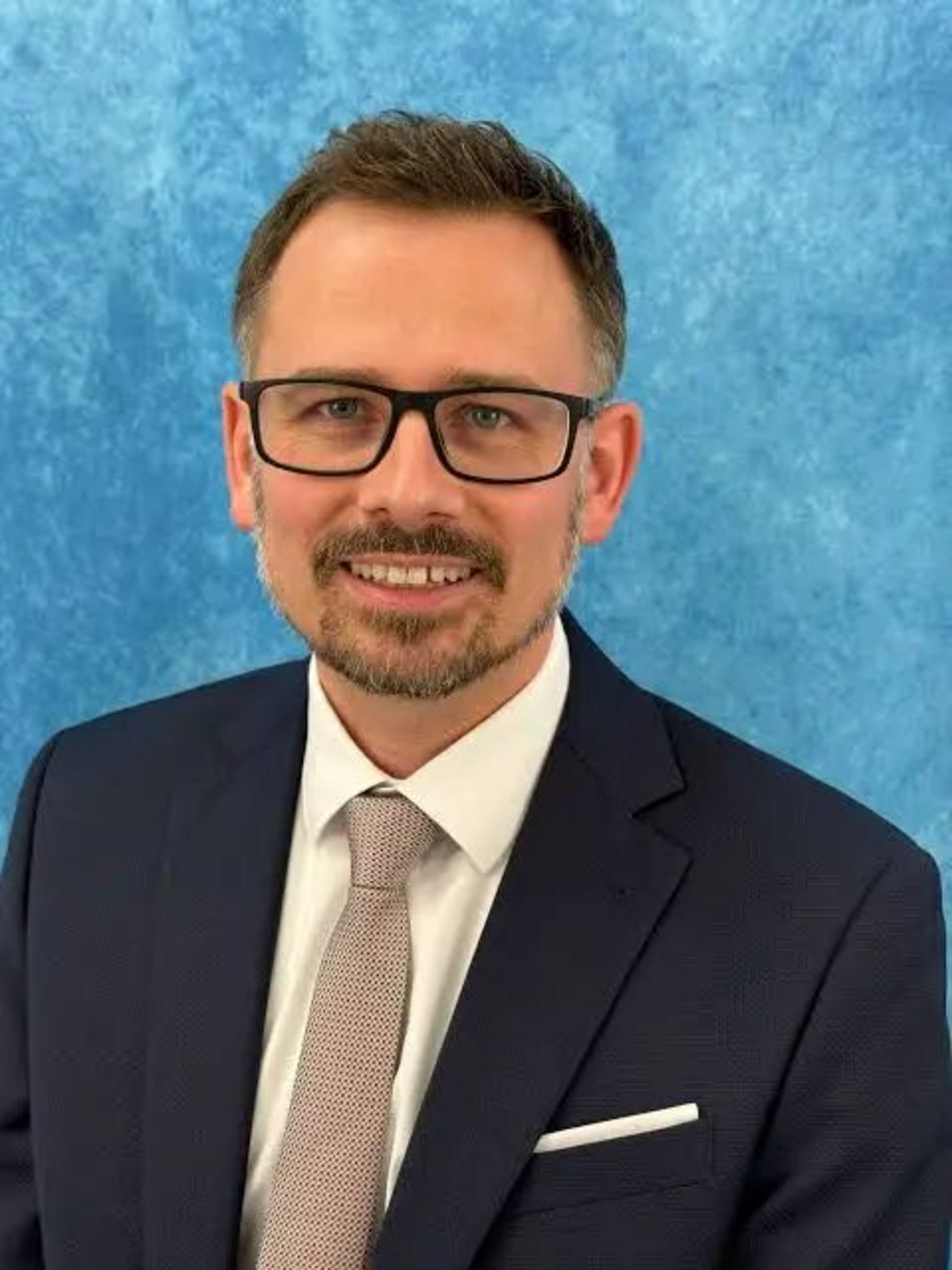
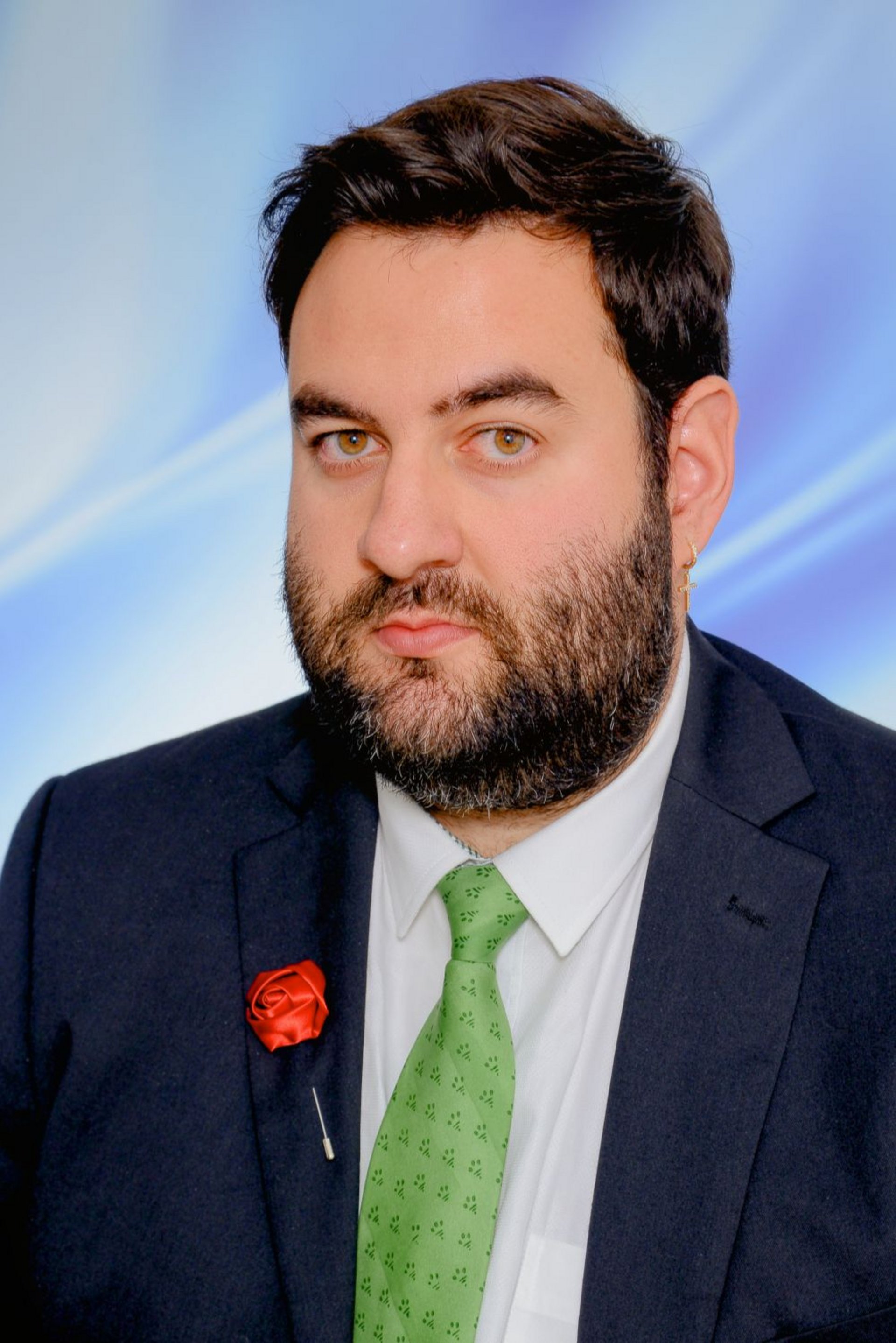
"As soon as a spacecraft leaves Earth's Van Allen belts, natural radiation shielding disappears — and this is precisely where conventional aluminium alloys could run into trouble on long-duration missions. We show that, with the right alloy chemistry, the right microstructure and the right thermodynamics, aluminium remains the best candidate for the most demanding deep-space environments: lightweight, strong and radiation-resistant in a single material. The T-phase and the aluminium crossover alloys are at the heart of this" says Assistant Professor Matheus A. Tunes, BSc MSc PhD MInstP, Chair of Nonferrous Metallurgy. Professor Stefan Pogatscher adds: “We invented the aluminium crossover alloys here in Leoben in 2022 and have been demonstrating their potential ever since. This study shows that the T-phase — the hardening particle that defines this entire family of alloys — is exceptionally stable under extreme conditions. That is precisely the property a structural material needs for long-duration missions beyond Earth's natural radiation shielding.”
Tested internationally
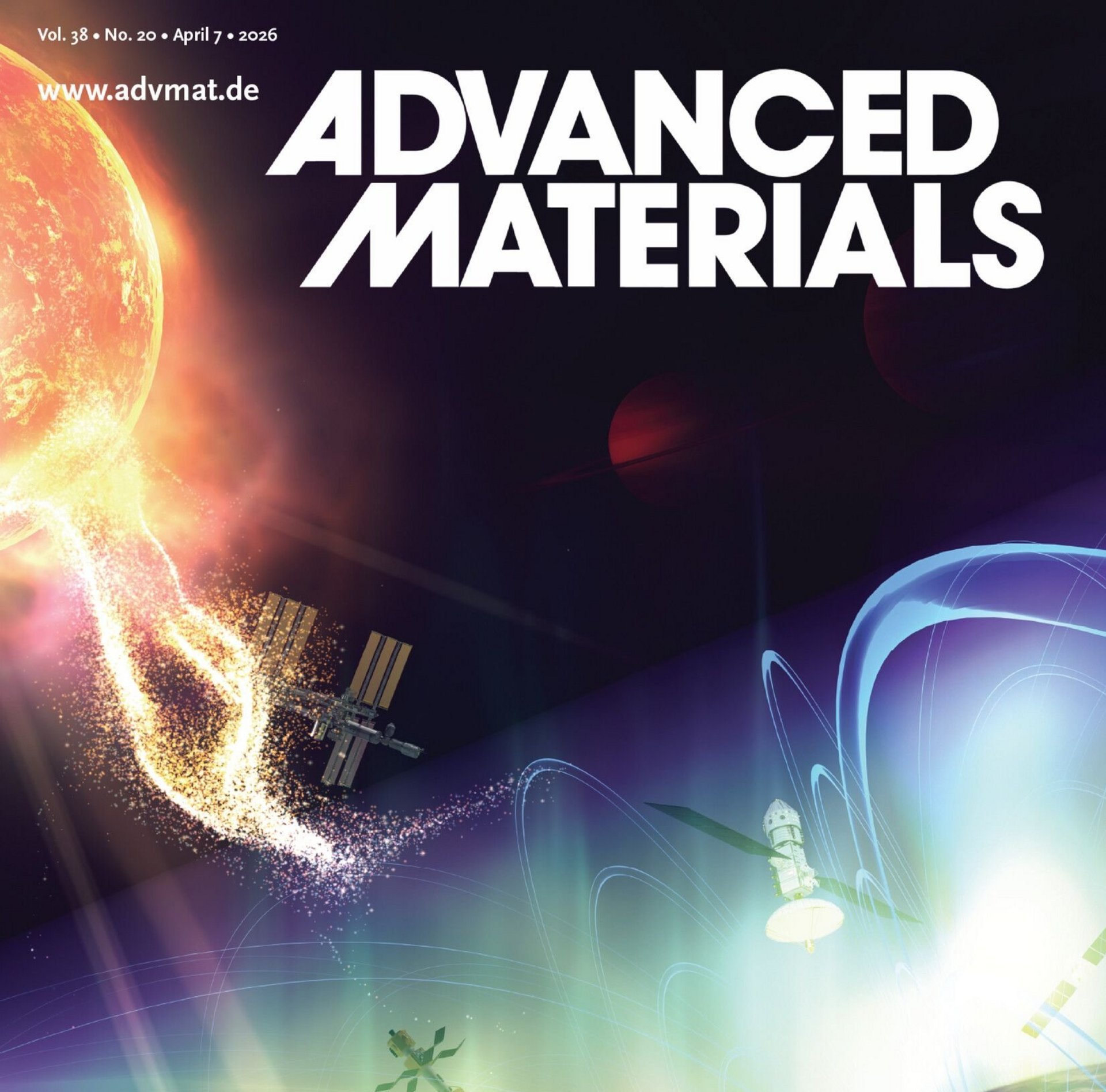
The alloy was tested using heavy-ion irradiation at a facility of the United Kingdom Atomic Energy Authority (UKAEA), with radiation damage observed in real time under a transmission electron microscope. Complementary micro-tensile tests at the Erich Schmid Institute (ESI) in Leoben confirmed that the alloy retains its strength up to at least 20 dpa and even shows an increase in ductility at the highest doses. As next steps, the team is scaling the alloy from laboratory samples up to technically relevant components and investigating the atomic-level mechanisms underlying the exceptional stability of the T-phase. In the longer term, the material is to be optimised for structures, panels and shielding elements of spacecraft designed for long-duration missions beyond the protection of the Van Allen belts. The study appeared as the journal cover of Advanced Materials and was carried out at the Chair of Nonferrous Metallurgy at Montanuniversität Leoben, with experiments performed at the UKAEA and at the Erich Schmid Institute of Materials Science of the Austrian Academy of Sciences, which is likewise based in Leoben.
Publication
Willenshofer, P. D.; Tunes, M. A.; et al. Radiation-Resistant Aluminium Alloy for Space Missions in the Extreme Environment of the Solar System. Advanced Materials (2025). https://doi.org/10.1002/adma.202513450 (article) https://doi.org/10.1002/adma.72925 (cover page)
The Chair of Nonferrous Metallurgy is continuing this work as a long-term research initiative on materials for space applications. A new doctoral project, led by Dipl.-Ing. Christoph Frühwirth (head of LUNA, https://luna.unileoben.ac.at/), focuses on understanding the interplay between radiation shielding and radiation damage in next-generation aluminium alloys for spaceflight applications.
Further information
Uni.-Prof. Dipl.-Ing. Dr.mont. Stefan Pogatscher
Chair of Nonferrous Metallurgy
Email: stefan.pogatscher(at)unileoben.ac.at
Tel.: +43 3842 402 5228
Mobile: +43 664 80898 5228
Ass.-Prof. Matheus A. Tunes, BSc MSc PhD MInstP
Chair of Nonferrous Metallurgy
[X-MAT] – The Laboratory of Metallurgy in Extreme Environments
https://x-mat.unileoben.ac.at
Email: matheus.tunes(at)unileoben.ac.at
Tel.: +43 3842 402 5236
Mobile: +43 664 501 5956