
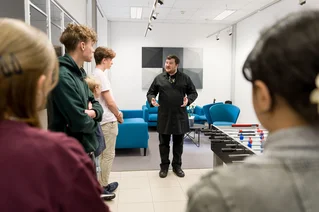
Discover, experiment and shape the future: At the new Innovation Laboratory of the Technical University of Leoben, upper secondary school classes (AHS/BHS) experience modern technologies first-hand through practical, hands-on learning. In our STEM workshops, students work independently with current technologies, ranging from 3D printing, polymer production and recycling to sustainable materials, robotics, electronics and sensor technology. They develop their own ideas, build prototypes and test their solutions with professional guidance.
Teachers benefit from a well-prepared programme with safe working environments, age-appropriate learning content and professional support from our specialist staff. Students and young adults are also warmly invited to use the Innovation Laboratory Leoben for projects, final theses and prototyping.
Locations
Academy Technical University of Leoben
Peter Tunner-Straße 15
8700 Leoben
Haus der Digitalisierung
Roseggerstraße 22
8700 Leoben
Group Size
Groups of up to 25 people are welcome at the InnoLab and will be divided into 3 modules.
For larger classes, we develop an extended programme in cooperation with the Department Polymer Engineering and Science at the Technical University of Leoben.
Contact
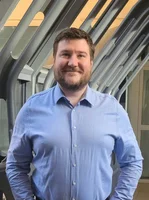
Markus Ast
Head of the Innovation Laboratory
Email: inno-lab(at)unileoben.ac.at
“While teachers can rely on professional support, pupils experience real “aha moments” and discover science through hands-on learning.”
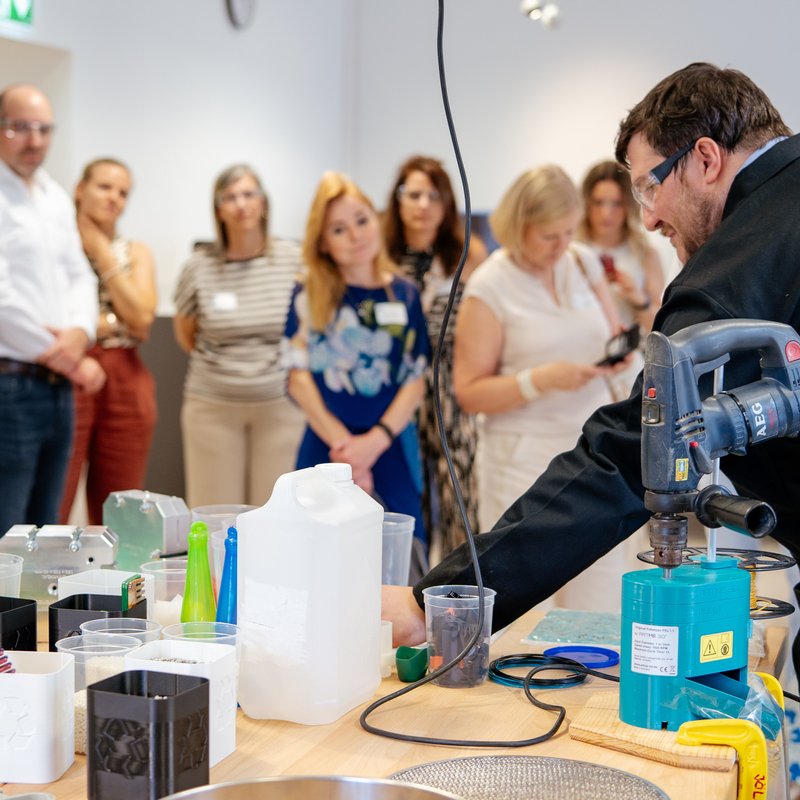
Module 1: Polymer Manufacturing
What’s it all about?
- An insight into polymers, their properties and sustainable alternatives
- From monomer to polymer (e.g. nylon rope trick)
What are we doing?
- Producing nylon threads and observing polymerisation
- Creating bio-based/biodegradable plastics (e.g. PLA, flexible films)
- Manufacturing components from bio-based resins, enhancing surfaces via vacuum casting
For schools
- Focus area can be selected in advance (everyday life, sustainability)
- Freehand sketches and ideas for shapes are welcome
- We provide chemicals and protective clothing
Module 2: Additive and Subtractive Manufacturing
What’s it all about?
- From idea to component: CAD to CAM
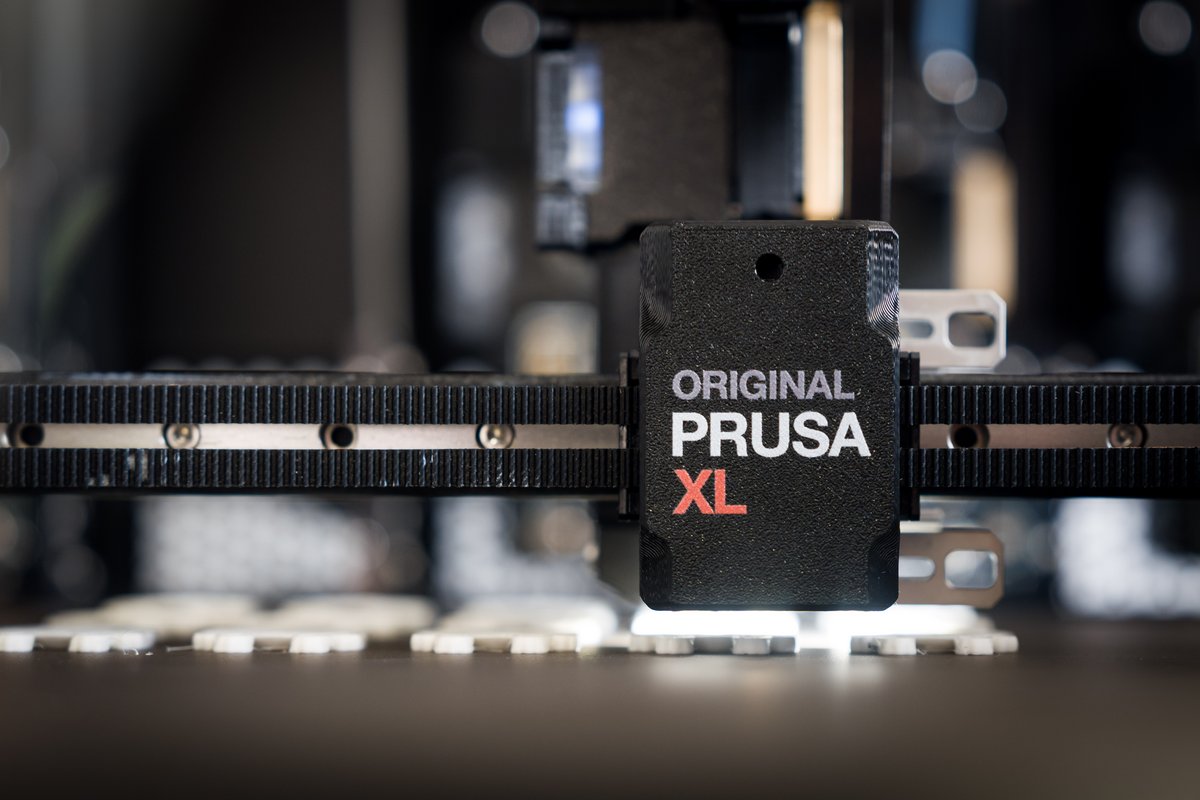
- Understanding the processes: 3D printing (FDM/resin) and CNC (milling/turning)
What do we do?
- Create 2D sketches and 3D models
- Prepare slicer and CAM data
- Manufacturing components and comparing processes
For schools
- Own files accepted (PDF/DXF, STL/STEP)
- Setting up processes (slicer/CAM) together
Module 3: Recycling of Thermoplastics
What’s it all about?
- Getting used plastics back into the cycle
- Material identification, melting behaviour, the limits of recycling
What do we do?
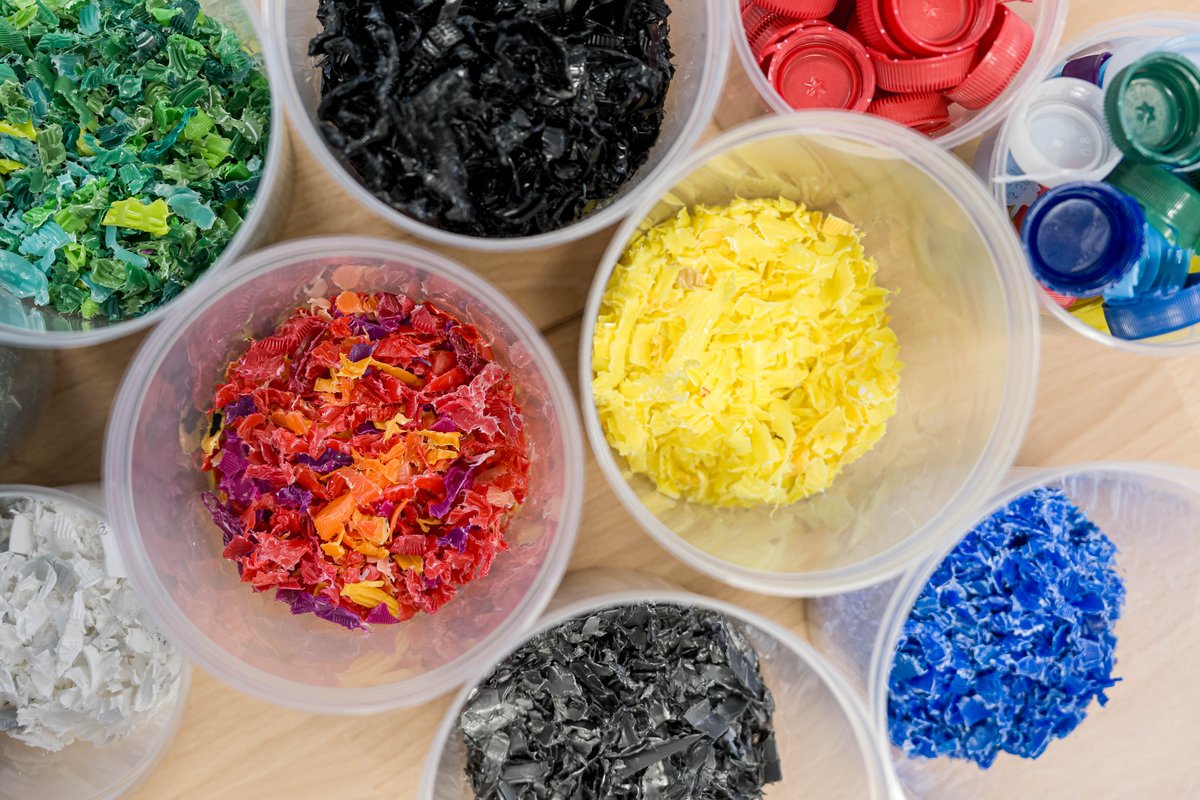
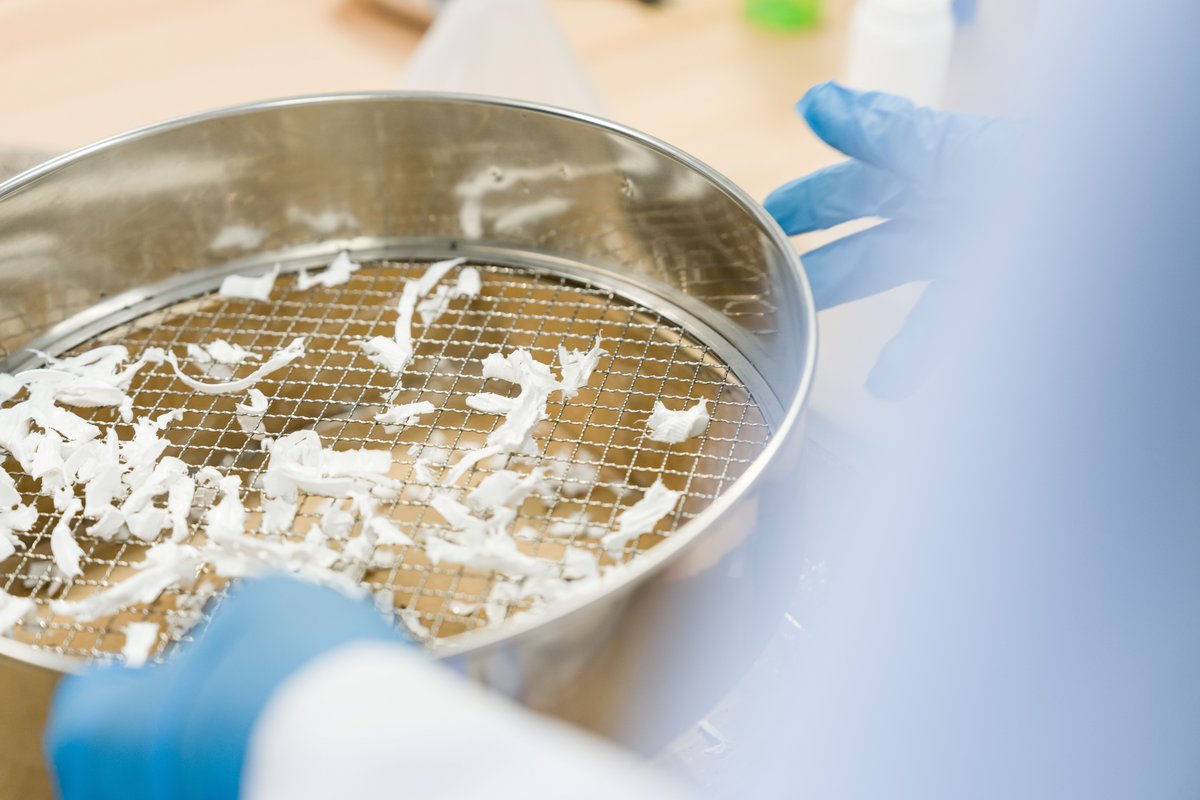
- Identifying, sorting and shredding plastics
- Processing bottle caps and turning them into regranulate or finished products
- Producing a tangible end product from recycled material
For schools
- Bottle caps can be cleaned in advance and pre-sorted by code (1–7)
- Further processing in the laboratory
Module 4: Electronics and Sensor Technology
What is it about?
- How sensors detect their surroundings and how data can be made useful
- Fundamentals of electronics: voltage dividers, filters, amplifiers and energy harvestin
- How connected sensors in the Internet of Things (IoT) collect and transmit data
What do we do?
- Build electronic circuits and take measurements using an oscilloscope and a multimeter
- Create printed sensors using conductive ink/graphite and measure quantities such as pressure, bending or touch
- Transfer and visualise measurement data via Bluetooth/Wi-Fi on a dashboard
For schools
- Choose a focus area (e.g. indoor air quality, movement, energy generation)
- Own questions or specific topics can be agreed upon in advance
- We provide measuring equipment, sensors and wireless modules
- Ideally, each group should bring a laptop or tablet
Module 5: Robotics
What’s it all about?
- Motion, perception and control of machines
- The interplay of mechanics, electronics and programming
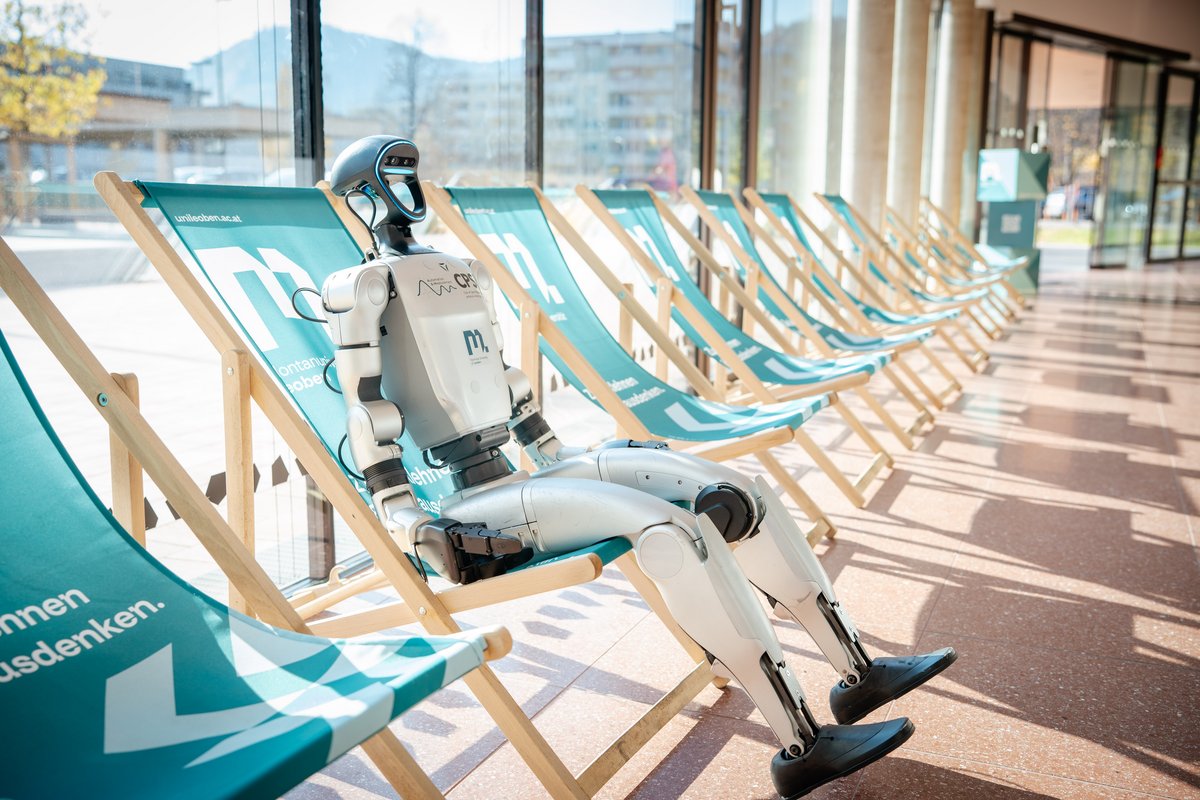
- Fundamentals of robotics: sensors, actuators, control systems and intelligent robotic systems
What are we doing?
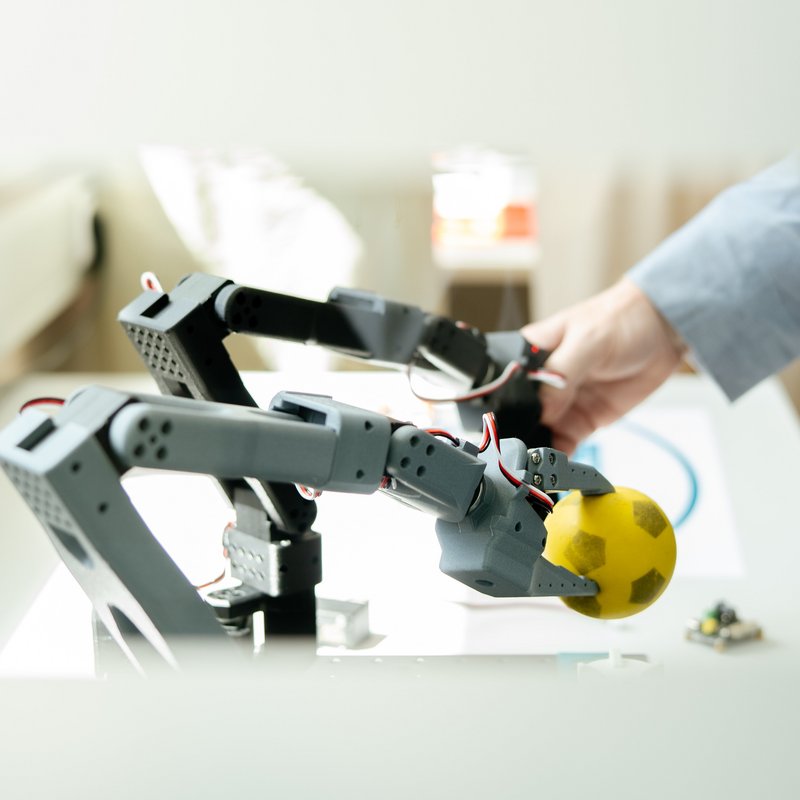
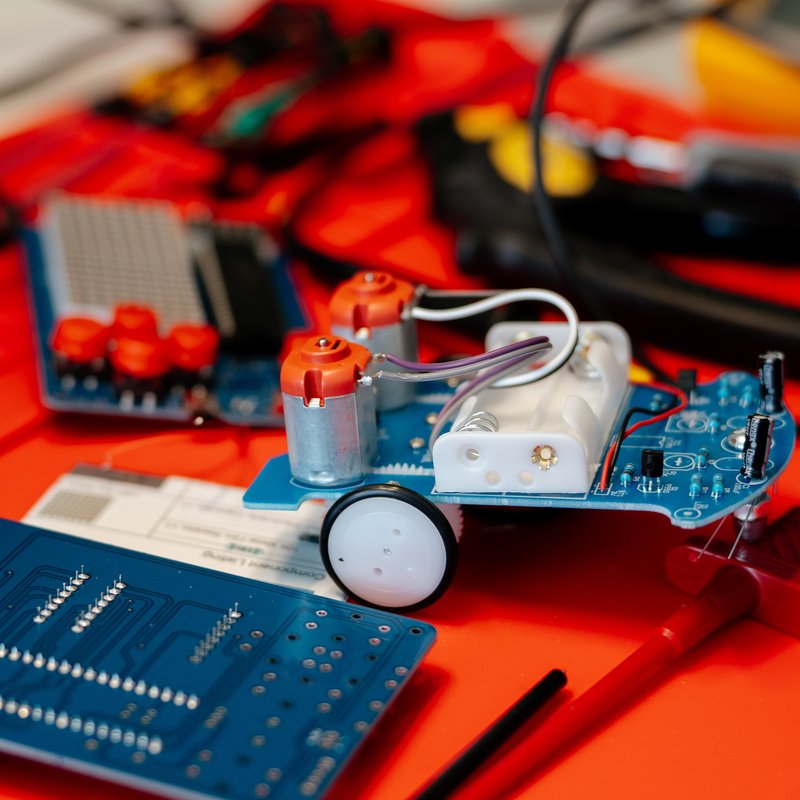
- Building and programming 3D-printed robot arms or small mobile robots
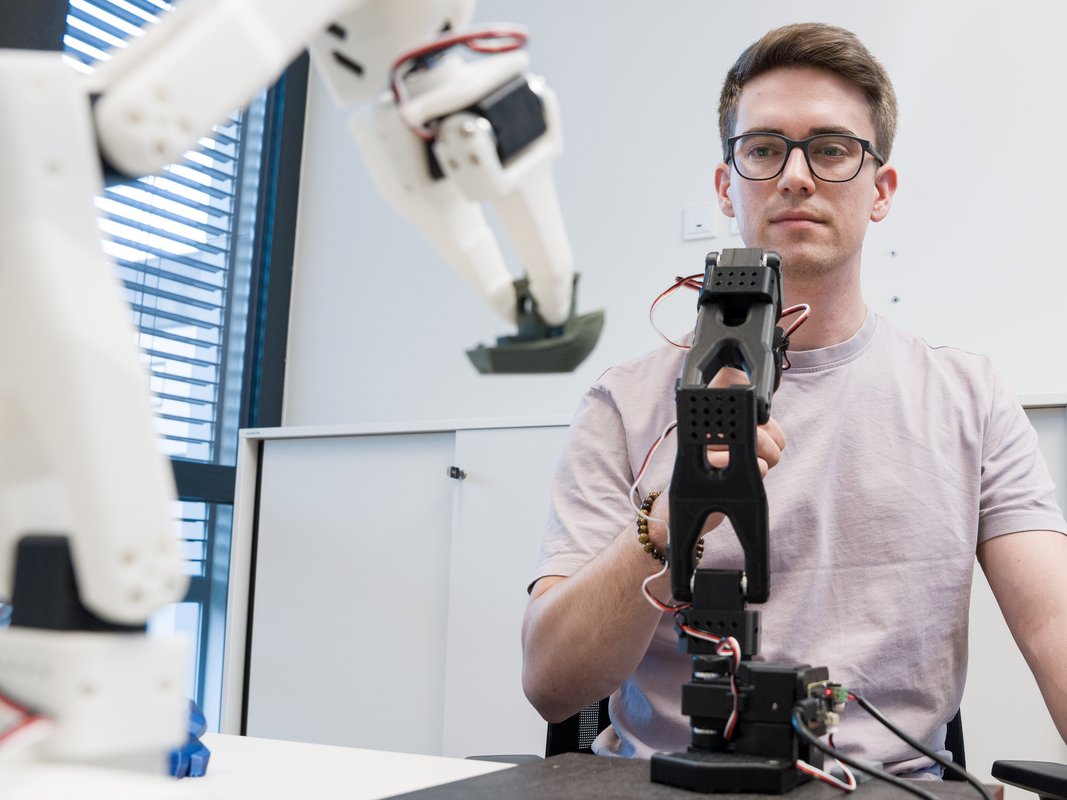
- Integrating sensors (e.g. distance, line and tilt sensors) and controlling robots using microcontrollers
- Programming robots with Python, enabling wireless control and implementing simple control loops
- Exploring robotic tasks through teleoperation and machine learning, e.g. grasping and precisely moving objects
For schools
- Agree on tasks in advance (e.g. lifting a cube, driving a ‘figure of eight’, developing custom grippers)
- We provide materials and components such as motors, sensors and 3D-printed parts
- Technical requirements, safety aspects and room setup are clarified in advance