Conventional 5xxx-series aluminium-magnesium alloys offer good formability and corrosion resistance but are limited in terms of achievable strength. High-strength 7xxx-series alloys, by contrast, are considerably more difficult to process. The crossover concept developed in Leoben deliberately transcends these previously rigid classification boundaries, opening up new alloy combinations.
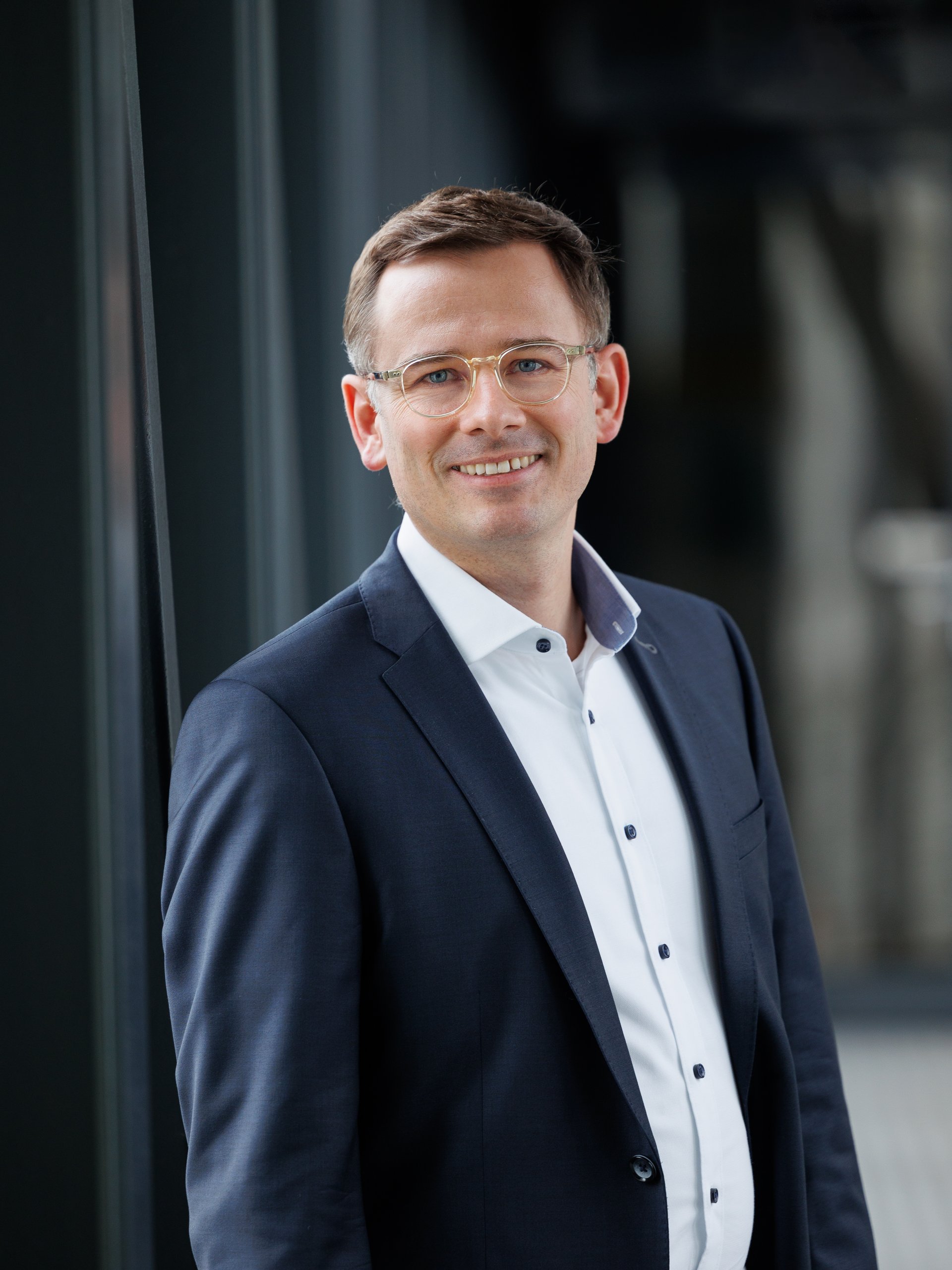
“We did not simply develop a better 5xxx or a better 7xxx alloy. We asked why this boundary needs to exist in the first place,” explains Univ.-Prof. Dr Stefan Pogatscher of TU Leoben’s Chair of Non-Ferrous Metallurgy.
The T Phase Makes the Difference
The performance of the new alloys is based on the so-called T phase. By selectively combining magnesium, zinc and, in some cases, copper, the researchers have created materials that can initially be formed with ease. It is only during a final heat-treatment step that they develop high strength levels, potentially comparable to those of conventional 7xxx-series alloys.
A particularly efficient feature is that the required age-hardening treatment can be integrated into existing industrial processes, such as the paint-bake cycle used in automotive manufacturing. This eliminates the need for additional energy-intensive processing steps.
From the Christian Doppler Laboratory to Production
The development of crossover alloys began at TU Leoben and has been a key focus of the Christian Doppler Laboratory for Advanced Aluminium Alloys from the very beginning. Working together with corporate partner AMAG Austria Metall AG – one of Europe’s largest single-site aluminium recyclers – the team set out to transfer the concept from initial laboratory samples into industrial production.
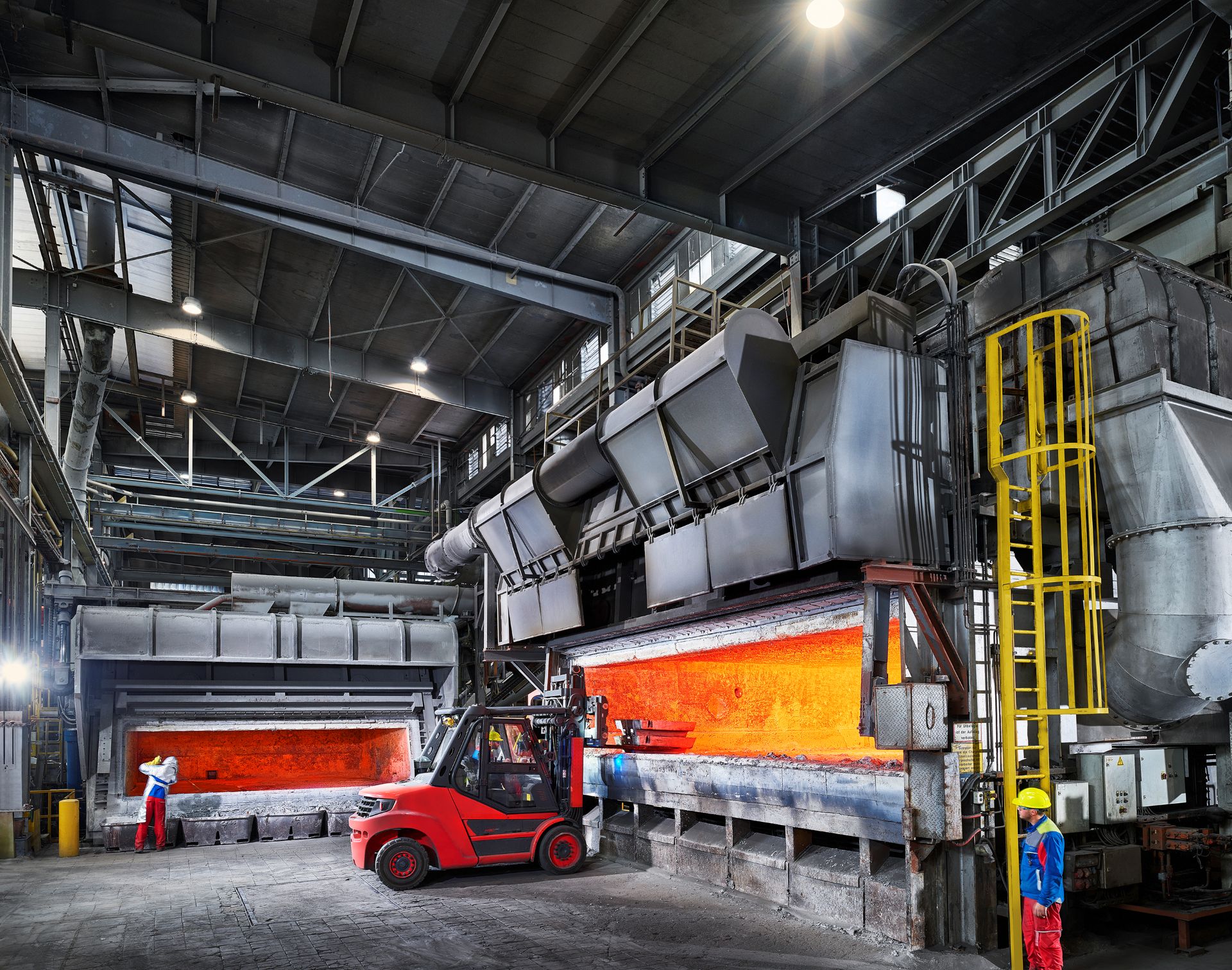
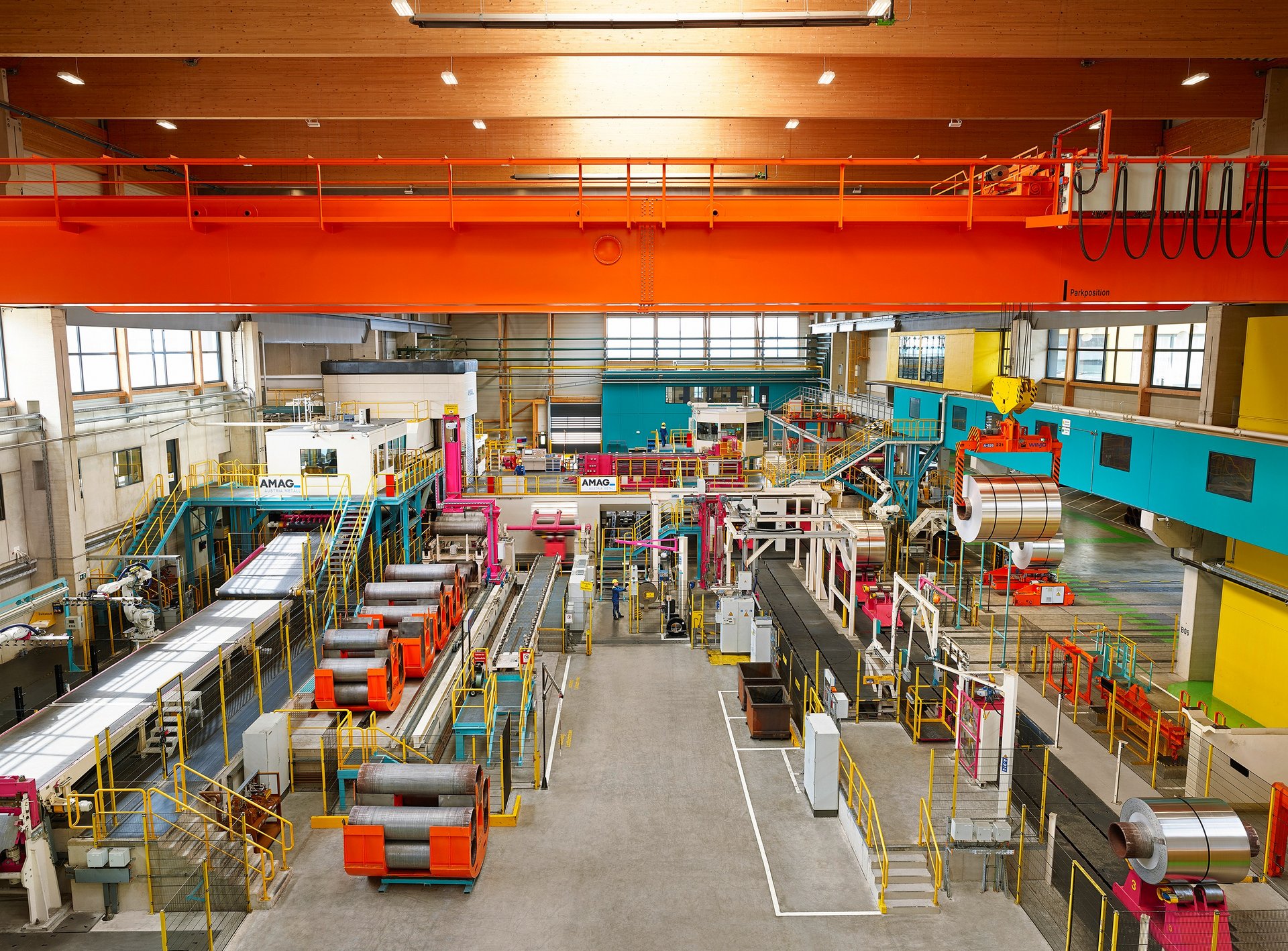
What began with laboratory samples weighing around 100 grams gradually progressed to larger trial batches, industrial-scale production trials at AMAG’s Ranshofen plant and, ultimately, prototype components. Today, the innovation is commercially available as AMAG CrossAlloy®57.
“Scientific proof is important. But the decisive step is when an idea becomes a material that can be produced and processed on an industrial scale,” says Pogatscher. “The fact that this journey – from Leoben and the Christian Doppler Laboratory through to market launch – has been successful demonstrates the strength of collaboration between research and industry.”
Lightweight Design, Recycling and New Fields of Application
Crossover alloys can enable components that are both lighter and more durable. This is of particular interest for mobility applications, but also for industrial manufacturing, rail transport, robotics, defence and aerospace. At the same time, they can support the circular economy: because fewer different materials are required within a component, recycling becomes easier. The alloys were also specifically designed to accommodate higher proportions of recycled material.
The materials developed in Leoben are also attracting interest in the space sector. Research has shown that the T phase exhibits exceptionally high radiation tolerance. These findings have raised the international profile of crossover alloys as potential materials for space applications.
With the launch of the new AMAG CrossAlloy® product website, the material family developed in Leoben is now being marketed more extensively worldwide. A scientific idea has thus become a tangible Austrian industrial product with global application potential.
Further information on AMAG CrossAlloy® is available at:
https://www.amag-al4u.com/en/products/crossalloy
Contact
Univ.-Prof. Dr Stefan Pogatscher
Chair of Non-Ferrous Metallurgy
TU Leoben
Email: stefan.pogatscher(at)unileoben.ac.at
Tel.: +43 3842 402 5228